Crazy Zombie: Balancing Humor and Horror in Modern Digital Typography
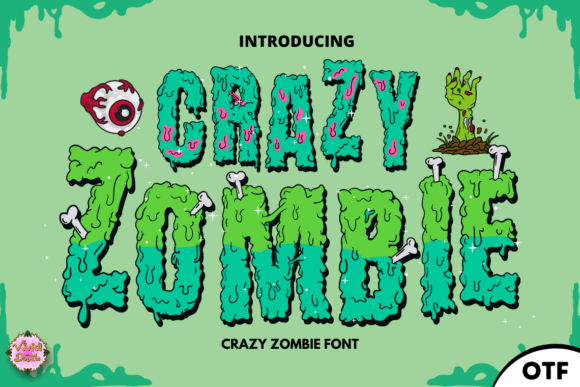
In the expansive world of digital design, typography serves as the voice of visual communication. While many designers gravitate toward clean, minimalist sans-serifs for corporate reliability, there is a growing demand for typefaces that inject personality, narrative, and emotional resonance into projects. Enter Crazy Zombie, a creatively crafted typeface that offers a humorous twist on traditional zombie aesthetics. This font is not merely a collection of glyphs; it is a strategic design tool that allows creators to navigate the delicate balance between eerie and entertaining.
Each letter in the Crazy Zombie family contributes to a comically eerie design, making it ideal for creating a lighthearted yet spooky atmosphere. As we analyze current market trends in creative industries, it becomes evident that audiences are increasingly drawn to content that breaks the fourth wall of seriousness. Whether used for Halloween invitations, party decorations, or branding for niche entertainment products, this typeface addresses a specific consumer desire for authenticity wrapped in fun.
The Evolution of Thematic Typography in Marketing
To understand the relevance of Crazy Zombie, one must look at the broader shifts in marketing and consumer behavior. The modern consumer is inundated with polished, high-gloss advertising. In response, there has been a significant pivot toward "humanized" branding—designs that feel handcrafted, imperfect, and relatable. This trend is particularly visible in seasonal marketing, where the pressure to stand out during saturated periods like October requires more than just standard orange-and-black color palettes.
Designers and entrepreneurs are recognizing that humor is a powerful engagement tool. A font that looks terrifying might alienate a family-friendly audience, while a font that looks too childish may fail to capture the attention of teens or young adults. Crazy Zombie occupies the sweet spot between these extremes. It leverages the cultural ubiquity of zombie lore—a staple of pop culture from movies to video games—but strips away the genuine horror, replacing it with whimsy. This approach aligns with the "lighthearted horror" trend seen in recent media, where scary elements are used for comedy rather than shock value.
Meeting the Demand for Niche Aesthetics
The rise of niche communities and subcultures has fragmented the mass market. Creators no longer design for a generic "everyone"; they design for specific tribes. Gamers, cosplay enthusiasts, and event planners require assets that speak their language. The Crazy Zombie typeface serves as a visual shorthand for this community. When a user sees this font, they immediately understand the tone: it is safe to laugh, it is okay to be silly, and it is time to celebrate the macabre without fear.
This specificity is crucial for freelancers and small business owners who rely on distinct brand identities. By integrating such a specialized typeface into their workflow, they signal to their clients that they understand the nuances of thematic design. It is not just about choosing a font; it is about curating an experience. The jagged edges and playful distortions of the letters suggest movement and energy, which can significantly enhance the dynamic feel of social media graphics, posters, and digital banners.
Practical Applications Across Creative Workflows
Understanding the theoretical appeal of Crazy Zombie is one thing, but implementing it effectively requires insight into practical applications. Here is how professionals across various sectors are leveraging this typeface to meet changing expectations:
- Event Management and Hospitality: For Halloween parties, haunted houses, or themed restaurant promotions, the atmosphere is everything. Using this font on menus, tickets, and signage creates an immersive environment before the guest even enters the venue. It sets a expectation of fun rather than fright.
- Digital Content Creation: YouTubers and streamers who focus on gaming or horror-comedy content use distinctive thumbnails to drive click-through rates. The bold, quirky nature of the font stands out against busy backgrounds, ensuring readability while maintaining thematic consistency.
- Retail and Product Packaging: Small businesses selling novelty items, candies, or costume accessories can use this typeface to differentiate their products on crowded shelves. It adds a layer of perceived value by suggesting that the product is part of a curated, thoughtful experience.
These examples illustrate that the utility of the font extends beyond mere decoration. It functions as a communication device that reduces cognitive load for the viewer. When the visual style matches the intent of the message, the audience processes the information faster and retains it longer. This efficiency is vital in an attention economy where seconds count.
Technical Considerations for Designers
While the aesthetic appeal is primary, professional creators must also consider technical integration. The Crazy Zombie font is designed with versatility in mind, but like any display typeface, it requires careful handling. It is not intended for long-form body text. Instead, it shines in headlines, logos, and short calls to action. Designers should pair it with clean, neutral sans-serif fonts to ensure legibility and visual balance. This contrast highlights the unique characteristics of the zombie-themed letters without overwhelming the viewer.
Furthermore, accessibility remains a key concern in modern web design. While decorative fonts add character, they should never compromise the ability of users with visual impairments to access content. Best practices suggest using high-contrast colors and providing alternative text descriptions when the font is used in critical informational graphics. By adhering to these standards, creators can enjoy the creative freedom of Crazy Zombie while maintaining inclusive design principles.
The Business Case for Playful Design
From a business perspective, investing in unique typographic assets like Crazy Zombie can yield significant returns. Brand differentiation is a core challenge for startups and established companies alike. In a sea of similar offerings, a distinct visual identity can be the deciding factor for consumers. This typeface allows brands to showcase their personality traits—specifically, a sense of humor and cultural awareness.
Moreover, the versatility of the font supports cross-platform consistency. Whether displayed on a mobile screen, a printed flyer, or a large-format banner, the core identity remains intact. This consistency builds brand recognition over time. For marketers, this means that campaigns utilizing this aesthetic can create a cohesive narrative across different channels, reinforcing the message and enhancing recall.
- Identify the Core Message: Determine if the project benefits from a humorous or lighthearted tone. If the goal is serious or somber, this font may not be appropriate.
- Contextualize the Audience: Ensure the target demographic appreciates the zombie theme and the comedic twist. Understanding cultural references is key to effective communication.
- Balance with Layout: Use ample white space around the text to let the intricate details of the letters breathe. Cluttered designs can diminish the impact of complex typefaces.
- Test for Readability: Always preview the design at various sizes to ensure that the stylized letters remain recognizable and do not become illegible blobs.
Looking Forward: The Enduring Appeal of Character-Driven Type
As technology advances, the tools available to designers become more sophisticated, but the fundamental need for human connection remains unchanged. Fonts like Crazy Zombie remind us that design is not just about function; it is about feeling. The trend toward personalized, expressive typography is not a fleeting fad but a reflection of a society that values individuality and joy.
For professionals, staying ahead of the curve means embracing these tools not as novelties, but as essential components of a diverse design toolkit. By understanding the psychological impact of humorous horror and the practical applications of thematic type, creators can deliver work that resonates on a deeper level. The Crazy Zombie typeface is a testament to the power of play in professional design, proving that even in the most structured workflows, there is room for a little bit of monstrous fun.
In conclusion, the integration of such specialized fonts into commercial and creative projects signals a mature understanding of audience engagement. It reflects a shift away from sterile uniformity toward rich, textured visual languages. For those willing to explore the boundaries of traditional design, Crazy Zombie offers a pathway to create memorable, impactful, and genuinely enjoyable experiences. As the market continues to evolve, the ability to blend professionalism with personality will remain a coveted skill, and typefaces that facilitate this blend will continue to hold significant value.